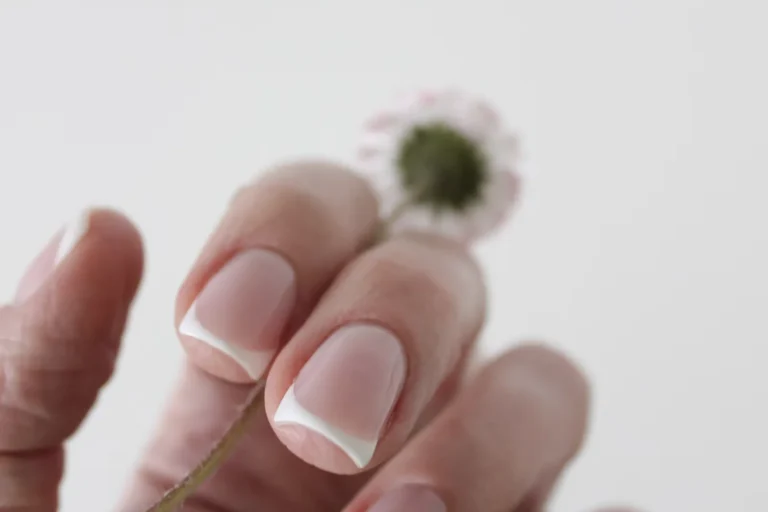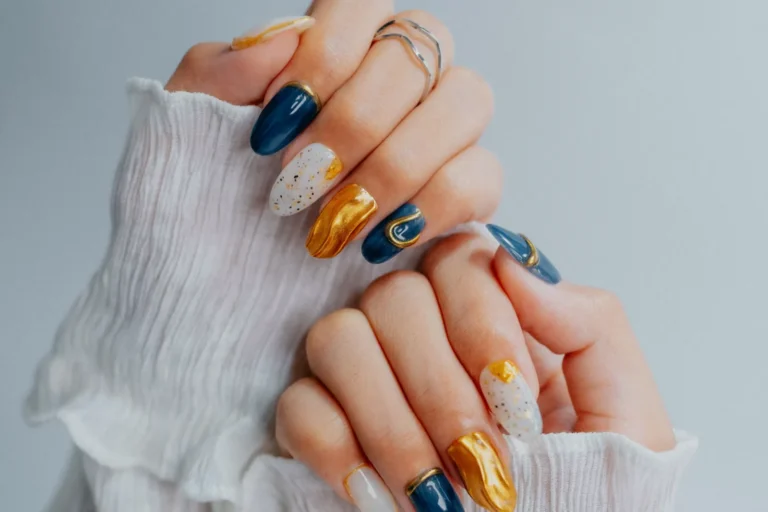
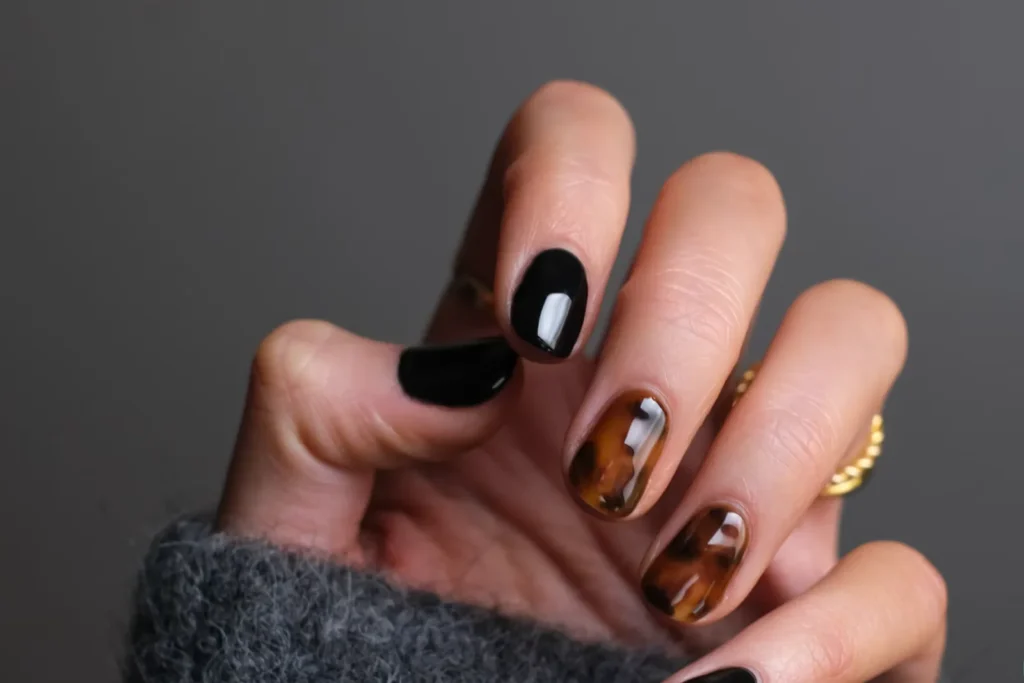
Press-on nails are ready-made nails that you attach yourself in a few minutes and remove at home. Acrylic nails are built on the natural nail by a technician from a powder and liquid mixture and are normally taken off with acetone. Press-ons suit short wear, easy removal and less filing of the nail. Acrylics suit people who want a long-lasting, repairable set and are willing to accept salon visits and a higher risk to the natural nail.
Key Takeaways
- Press-on nails generally last about one to two weeks. A salon acrylic set can last up to eight weeks with regular fills.
- Acrylics need fills every two to three weeks and are usually removed with acetone, which is where much of the damage occurs.
- Press-ons involve far less filing, but the adhesive can still cause an allergic reaction.
- Neither type is risk free. Rest periods and gentle removal protect the natural nail.
- Choose press-ons for events, trying a style and low commitment. Choose acrylics for length, strength and repairs.
What Is the Difference Between Press-On and Acrylic Nails?
The difference lies in how each type is made and attached. A press-on nail is made in a factory in a fixed shape and size, and it is attached with an adhesive tab or glue. An acrylic nail is created on your own finger. Amy Kassouf, MD, a dermatologist at Cleveland Clinic, explains that a technician mixes a powder and liquid into a paste, shapes it on the nail, and lets it harden in the air before filing and polishing.
Because acrylic is shaped on the nail, it can be made to any length and curve. Press-ons trade that freedom for speed. A set of 12 nails from Artificial Nails costs Rs. 449, comes in standard sizes with an optional size exchange, and includes adhesive tabs.
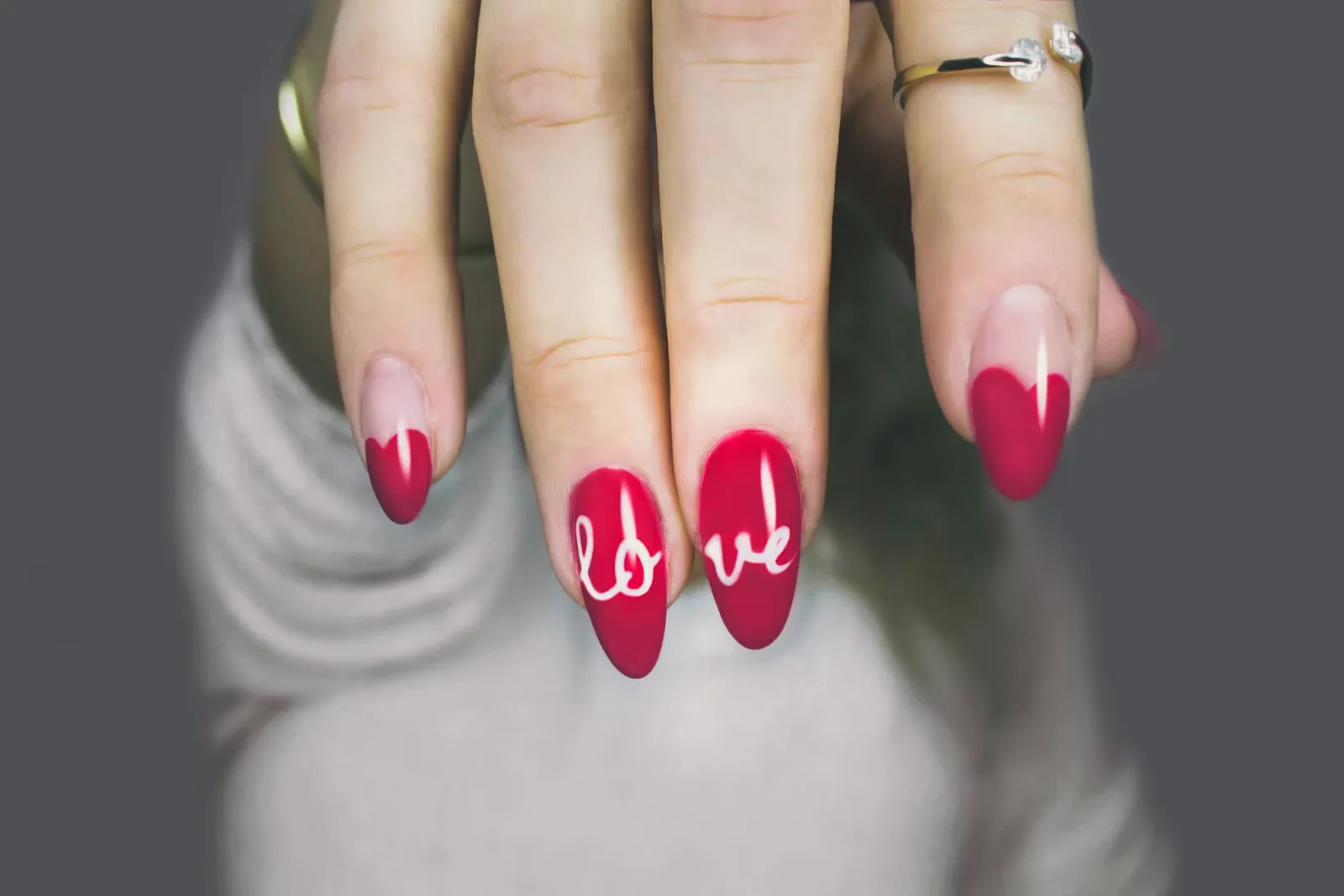
Press-On vs Acrylic Nails: Comparison Table
| Feature | Press-on nails | Acrylic nails |
|---|---|---|
| Who applies them | You, at home | A trained technician, usually in a salon |
| Preparation of the nail | Light buffing | The nail surface is roughened so the acrylic bonds |
| Typical wear | About one to two weeks | Up to eight weeks with fills |
| Maintenance | None, or reapply a nail that lifts | A fill every two to three weeks |
| Removal | Soak and lift gently at home | Soaked in acetone for about 15 minutes, then residue filed away |
| Repair | Replace the nail | Can be repaired by filing |
| Main risks | Allergy to adhesive, trapped moisture, damage from rough removal | Allergic contact dermatitis, thinning, lifting, infection |
| Cost at Artificial Nails | Rs. 449 for a set of 12 nails | Not sold. Salon prices differ, so ask before booking |
Which Lasts Longer?
Acrylics last longer. Cleveland Clinic states that an acrylic set can last up to eight weeks, but the nail grows underneath and leaves a gap near the cuticle, so a fill is needed every two to three weeks. The American Academy of Dermatology gives the same interval and warns that frequent touch-ups can seriously damage natural nails. It recommends keeping artificial nails for special occasions so the nails can recover.
Press-ons last for a shorter time. NBC Select reports that most press-ons last around two weeks. For many people that is long enough, because the set is removed before the natural nail has grown out.
Which Is Worse for Your Natural Nails?
Acrylics carry more risk because of the preparation and removal. Dr Kassouf notes that “Taking acrylics off can damage or even remove the top plate of your nail.” Roughing the nail, soaking in acetone and filing away residue can leave nails brittle for about six months. Acrylates, the hardening ingredient, are also a common cause of allergic contact dermatitis, and the same article states that more than 70 million Americans live with allergic contact dermatitis.
Press-ons are gentler but not harmless. Dr Taryn Murray of Cleveland Clinic says that “The main risks of press-on nails are infections, allergic reactions and damage” to the nail unit. The adhesive is usually the cause. Dr Hannah Kopelman adds that “Removal is where I see most of the damage happen.” Her advice applies to both types of nail. Slow, gentle removal protects the nail far better than force.
Which Is Easier to Remove?
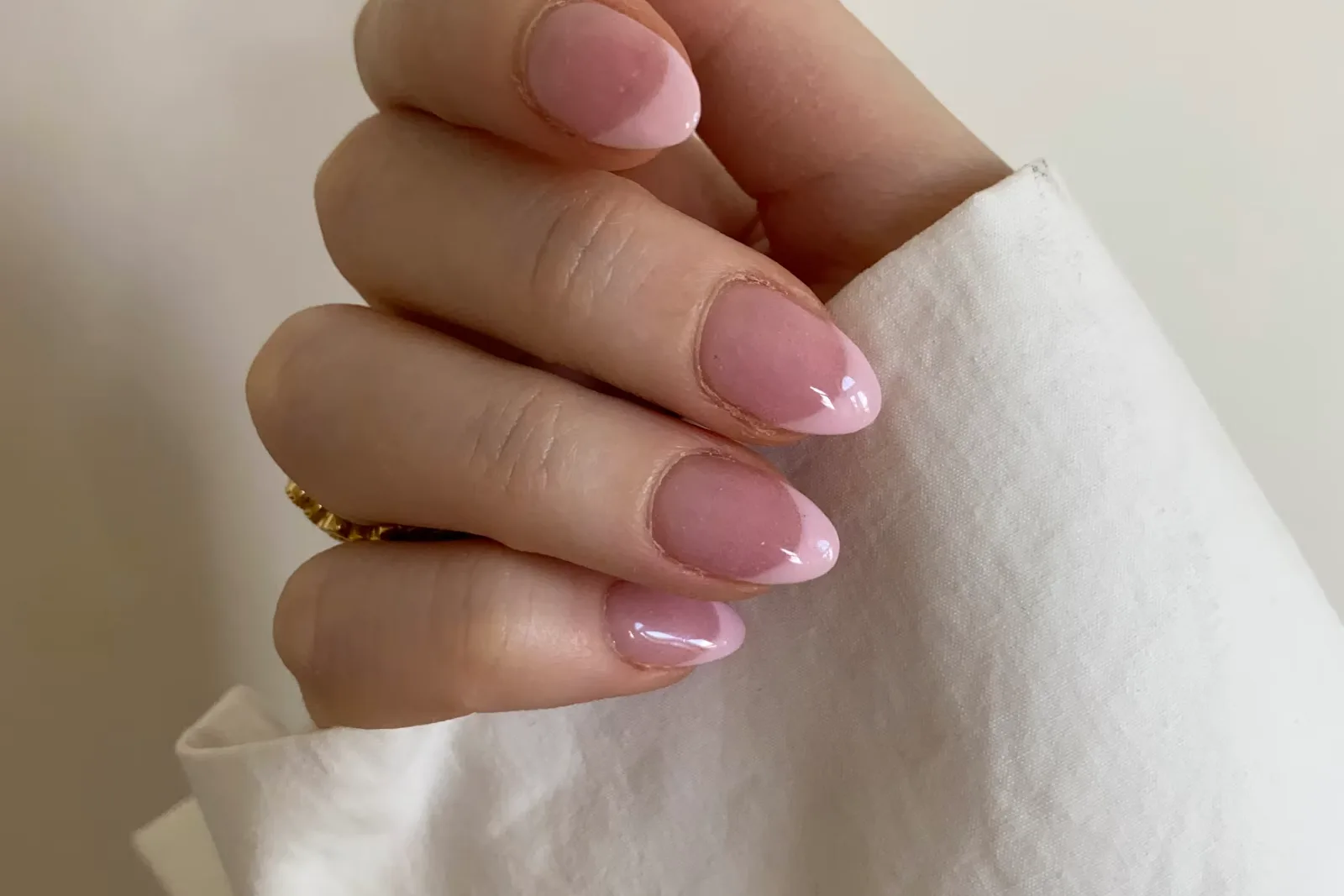
Press-ons are easier. You soak the fingertips in warm soapy water, apply oil around the cuticle, and lift the nail from one corner. Acrylics are normally soaked off in acetone for about 15 minutes, and any leftover residue is filed away. Cleveland Clinic recommends that a professional remove them rather than attempting it yourself. Our guide to how to apply press-on nails includes the full removal method.
Which Is Better for Different Situations?
For weddings and events
Press-ons suit events because a set can be bought in advance, applied in the same morning and removed afterwards. A press-on set is also useful as a spare if a nail breaks on the day.
For daily wear and work
Cleveland Clinic notes that the hardened acrylic coating makes nails very stiff and strong, which suits people whose hands are in constant use. Its cost is the maintenance schedule and the risk to the nail. A press-on set applied with glue is a lighter choice, provided you accept a shorter life and plan to replace it.
For people with sensitive skin
Both types can cause reactions. If you have reacted to nail products before, test one nail first and stop if you notice redness, itching or swelling. Dr Kassouf describes nontoxic polish as the safest nail treatment of all.
For long nails
Acrylics give the most freedom over length. Press-ons come in fixed lengths and shapes, so choose a set that is close to the length you want. If you prefer to build length with tips, see our nail extensions. Dr Murray also notes that “The longer the nail is, the more likely it is to cause separation between the natural nail and the nail bed.”
How to Reduce Damage With Either Type
Cleveland Clinic and the American Academy of Dermatology give similar advice, and it applies to acrylics and press-ons alike.
- Do not trim the cuticles, because they protect against infection.
- Use clean, sanitised tools if a technician is involved.
- Keep to the fill schedule if you wear acrylics, so that lifted edges do not trap moisture.
- Moisturise the hands and cuticles every day.
- Avoid harsh household chemicals and wear gloves for cleaning.
- Take breaks between sets so that the natural nail can recover.
Watch for warning signs. Swelling, redness, tenderness, green, brown or yellow discolouration, or a nail that separates from the nail bed all justify a visit to a dermatologist.
A Practical Way to Decide
Ask three questions. How long do you need the nails to last? If the answer is a week or two, press-ons are enough. How comfortable are you with removal? If you want to take them off at home, press-ons are the safer route. How much length and strength do you need? If you want something long and tough for several weeks, acrylics are built for it. A first-time wearer may prefer press-ons, because a mistake costs little and the natural nail is filed far less.
Can You Switch Between the Two?
Yes. Many people use acrylics for a long event and press-ons for the weeks around it. Whatever you choose, give the nails a rest of a week or two between sets, keep the cuticles intact and moisturise the hands daily. If you are unsure which artificial nail suits you, our overview of artificial nail types in Pakistan compares every option, and the press-on nails collection shows what is available now.
Frequently Asked Questions
Are press-on nails better than acrylic nails?
They are better for short wear, easy removal and less filing. Acrylics are better if you want a set that lasts for weeks and can be repaired.
Which lasts longer, press-on or acrylic nails?
Acrylic nails last longer, up to eight weeks with fills every two to three weeks. Press-on nails generally last about one to two weeks.
Do press-on nails damage your nails less than acrylics?
Usually they do, because they need less filing and no acetone. The adhesive can still cause an allergic reaction, and rough removal can still harm the nail.
Can you remove acrylic nails at home?
It is possible, but dermatologists advise having a professional remove them. Soaking in acetone and filing can thin or strip the top layer of the nail if done carelessly.
How much do press-on nails cost in Pakistan?
A set of 12 press-on nails at Artificial Nails costs Rs. 449, with adhesive tabs included. Delivery is Rs. 280 across Pakistan and free on orders above Rs. 5000.
Conclusion
Press-on and acrylic nails answer different needs. Press-ons offer speed, low commitment and simple removal. Acrylics offer strength and length for people who accept the maintenance and the added risk. Whichever you choose, rest periods, careful preparation and gentle removal matter more than the product itself. To try a set, explore the press-on nails collection and order with cash on delivery.